
Planting Services
Native plants, invasive removal, and expert installations that support the Farmington Valley's ecosystem.
Get a Free EstimatePlanting is where our passion truly shows. At Sunset Ridge Landscaping, we're known throughout the Farmington Valley for our expertise with native plants and our commitment to removing invasive species that damage Connecticut's natural landscape.
Invasive plants like Japanese barberry, burning bush, oriental bittersweet, and multiflora rose have overrun properties across Simsbury, Avon, Canton, and beyond. These aggressive species crowd out native plants, degrade wildlife habitat, and — in the case of barberry — even harbor deer ticks. We specialize in complete invasive removal, including the root systems that allow these plants to regrow. We then replace them with fresh topsoil and carefully selected native alternatives.
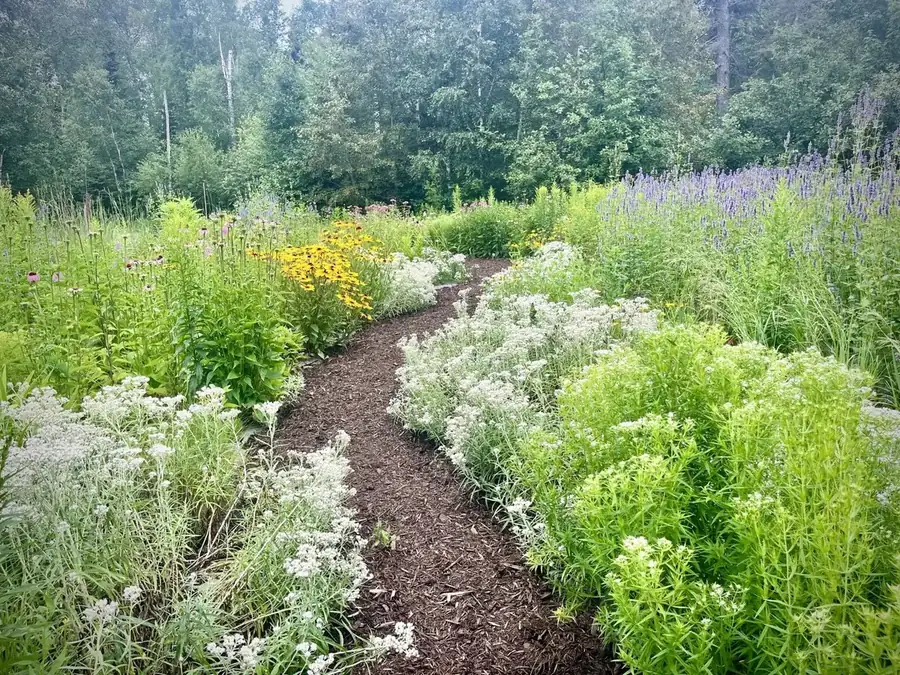
Our native plant recommendations include species that support local bird populations and pollinators. Eastern red cedar, winterberry holly, Virginia sweetspire, and native dogwoods provide food and shelter for songbirds, while native perennials like coneflower, black-eyed Susan, and bee balm attract butterflies and beneficial insects. We also recommend and install native evergreens — like eastern white pine, eastern hemlock, and American arborvitae — for year-round screening and bird habitat.
Every plant we install is selected for Connecticut's Zone 6a/6b conditions, placed according to its sun, soil, and moisture requirements, and guaranteed to thrive.
What's Included
Frequently Asked Questions
Why should I plant native species?▾
What invasive plants are common in the Farmington Valley?▾
When is the best time to plant in Connecticut?▾
Do you guarantee your plantings?▾
Can you recommend plants that deer won't eat?▾
Ready for a Beautiful Yard?
Get a free, no-obligation estimate for your Farmington Valley property. We'll visit your home, discuss your vision, and provide a clear proposal.
Get Your Free Estimate